

Skin gambling was once one of the most talked-about and controversial phenomena connected to competitive gaming. For a brief period, it grew alongside the popularity of esports and created an entirely new, unregulated economy based on virtual items. While it may sound like something out of an underground betting parlor, skin gambling was very real and, for a time, widely used by players around the world.
To understand why it became so popular and why it ultimately disappeared, it helps to look at how it worked and what role it played in the early esports ecosystem.

What Were Skins?
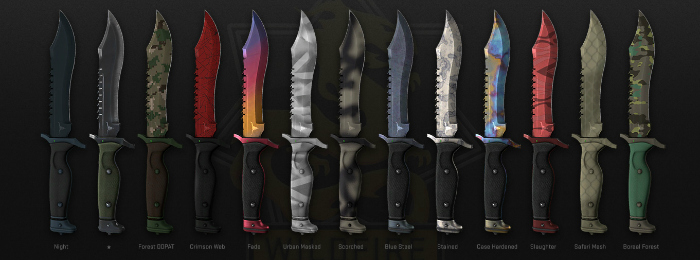
In games like Counter-Strike, skins were cosmetic designs applied to in-game weapons. These items did not affect gameplay, damage, or performance. Their value came from appearance, rarity, condition, and demand within the player community.
Unlike cosmetic systems in many other games, Counter-Strike skins were tradable. Players could buy, sell, and exchange them through Steam’s marketplace or via third-party services. Some skins became extremely rare, and ownership of certain designs became a status symbol within the community.
Because these items could be exchanged and had real monetary value, they began to function as a kind of digital currency within the Counter-Strike ecosystem.

How Skin Gambling Worked
Skin gambling emerged when third-party websites began allowing players to wager their in-game items instead of traditional money. Using Steam’s publicly available trade systems, players could transfer skins to a betting site, place wagers on esports matches or casino-style games, and receive winnings in the form of other skins.
From a user perspective, the process resembled traditional betting. Players selected a match or game, chose an outcome, and risked skins based on odds. If the wager was successful, they received skins of higher value. If not, they lost the items they had staked.
At its peak, skin gambling expanded beyond match betting and included games such as roulette, coin flips, and card-based casino mechanics, all using virtual items as stakes.
Why Skin Gambling Grew So Quickly
Several factors contributed to the rapid rise of skin gambling.
First, esports itself was growing at an unprecedented rate. Counter-Strike tournaments attracted large audiences, and many fans wanted a way to engage more deeply with matches they were watching.
Second, skins were widely accessible. Players did not need a credit card or traditional gambling account. Anyone with a Steam inventory could participate, which lowered the barrier to entry significantly.
Third, there were few clear regulations at the time. Skin gambling operated in a legal grey area, as items were virtual and often not explicitly classified as money or currency. This lack of oversight allowed many platforms to grow rapidly without formal licensing.
Finally, content creators played a role. High-profile streamers and YouTubers showcased large wins and rare skins, which brought attention to these platforms and encouraged imitation among viewers.

The Size of the Market
At its height, skin gambling represented a massive unregulated market. Industry analysts at the time estimated that billions of dollars’ worth of virtual items were being wagered annually across various platforms.
Steam itself hosted a large marketplace for item trading, but transaction limits and restrictions led to the growth of third-party services where higher-value trades were possible. These parallel markets operated outside of traditional gambling frameworks and without the consumer protections expected in regulated betting environments.

Why Skin Gambling Declined and Disappeared
Despite its rapid growth, skin gambling did not last.
Regulatory pressure increased as concerns emerged around underage gambling, lack of consumer protection, and misleading promotion. Because skins were closely tied to video games with young audiences, authorities in multiple countries began scrutinizing these platforms more closely.
Valve, the developer behind Counter-Strike and Steam, also took action. Access to trading systems was restricted, and enforcement against unauthorized gambling services increased. Without reliable access to item transfers, many skin gambling sites were forced to shut down.
At the same time, licensed esports betting became more widely available. Regulated sportsbooks began offering esports markets using real money, providing a safer and legally compliant alternative for bettors.
As a result, skin gambling steadily declined and eventually disappeared from the mainstream esports landscape.
Did Skins Ever Have Real Value?
Skins did have real value in the sense that they could be bought and sold for money on marketplaces. Their value was driven by rarity, demand, and visibility within the gaming community.
However, that value was highly speculative and dependent on platform rules, game popularity, and developer policies. Once trading restrictions and enforcement changed, many items lost liquidity and practical use as wagering tools.
This volatility highlighted one of the key risks of skin gambling: ownership and value were never guaranteed.
Conclusion
Skin gambling was a unique chapter in esports history. It grew quickly due to accessibility, lack of regulation, and the explosive rise of competitive gaming. For a time, it blurred the line between virtual items and real-world value.
However, legal concerns, platform enforcement, and the rise of regulated esports betting ultimately brought the phenomenon to an end. Today, reputable sportsbooks operate under licensing frameworks that provide clearer rules and better consumer protection.
While skin gambling no longer plays a meaningful role in modern esports betting, its rise and fall helped shape discussions around regulation, digital ownership, and responsibility within the gaming industry.